All courses · methods
Methods library
Every claim in these courses rests on a measurement. Each film here explains one method once: the problem it solves, how it works, how to read what it gives you, what can go wrong, and what it made possible. The same film appears in every lesson that uses the method.
34 films · 111 more in production
Proteins and molecules
-
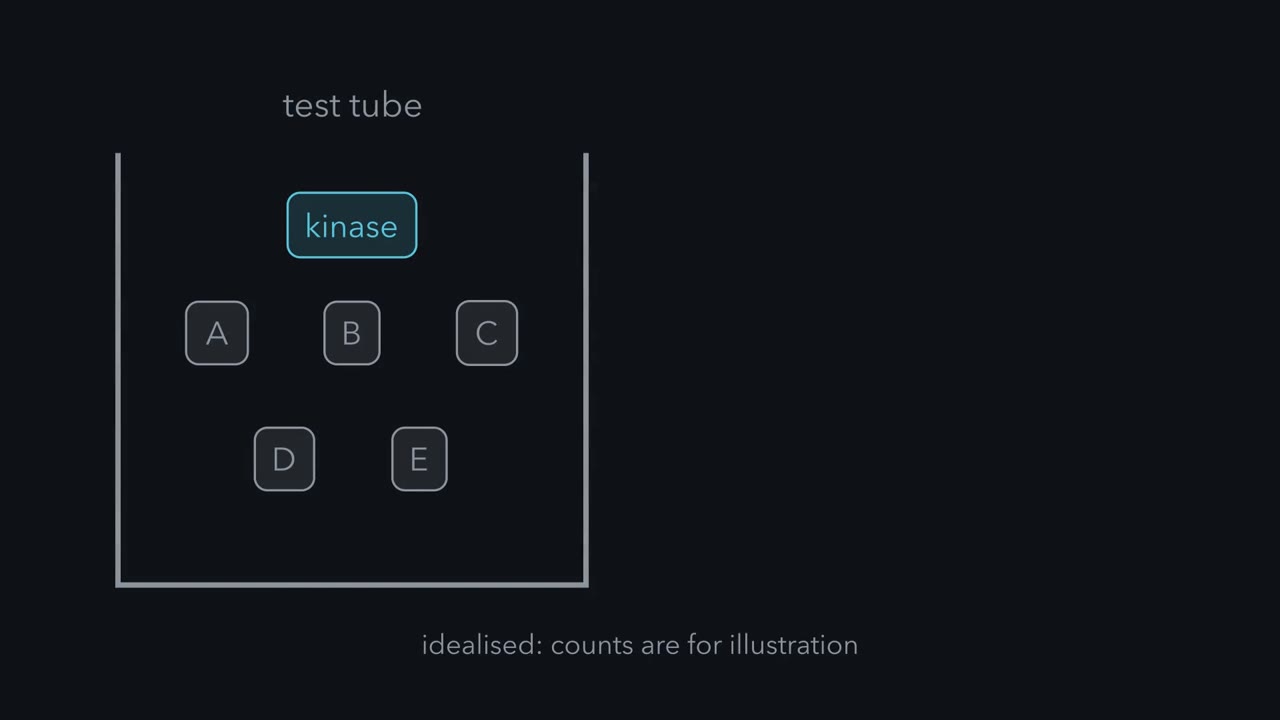 Analog-sensitive kinases (chemical genetics) Finding the direct substrates of one kinase by enlarging its ATP pocket so it alone uses a bulky labelled ATP analog.
-
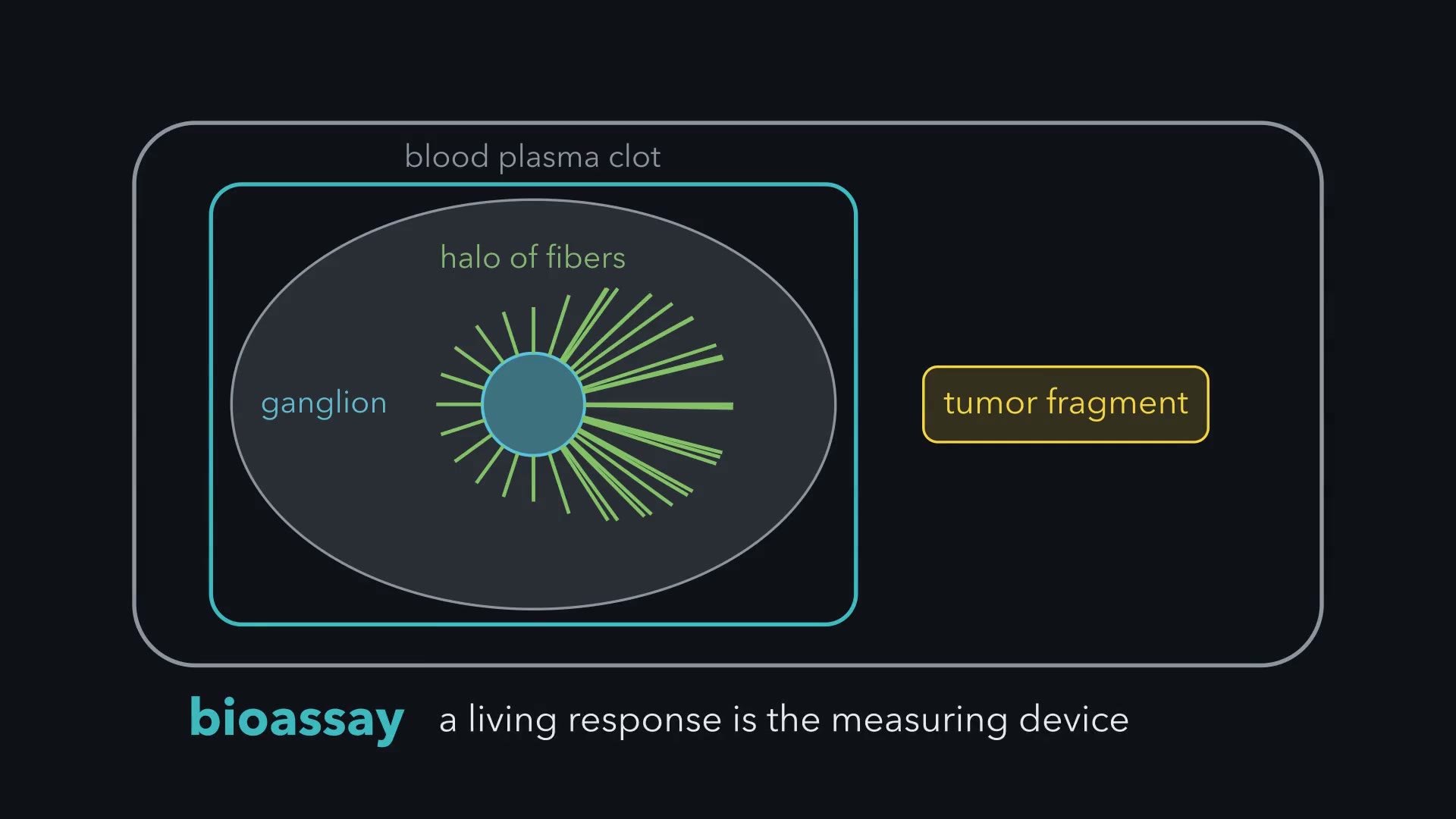 Bioassays Using a living response as the measuring device to detect and quantify an unknown active factor before it is identified.
-
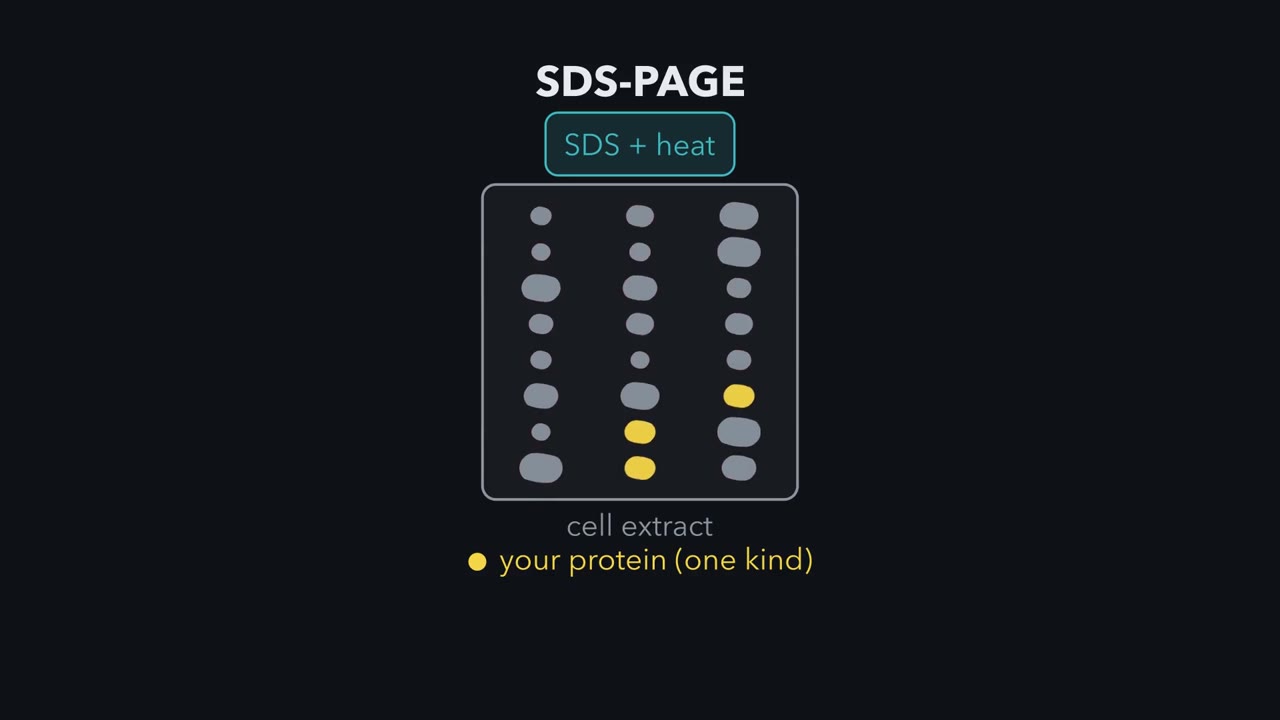 Gel electrophoresis, SDS-PAGE and western blot Detecting one protein, or one phosphorylated form of it, in a whole-cell extract with an antibody after sorting by size.
-
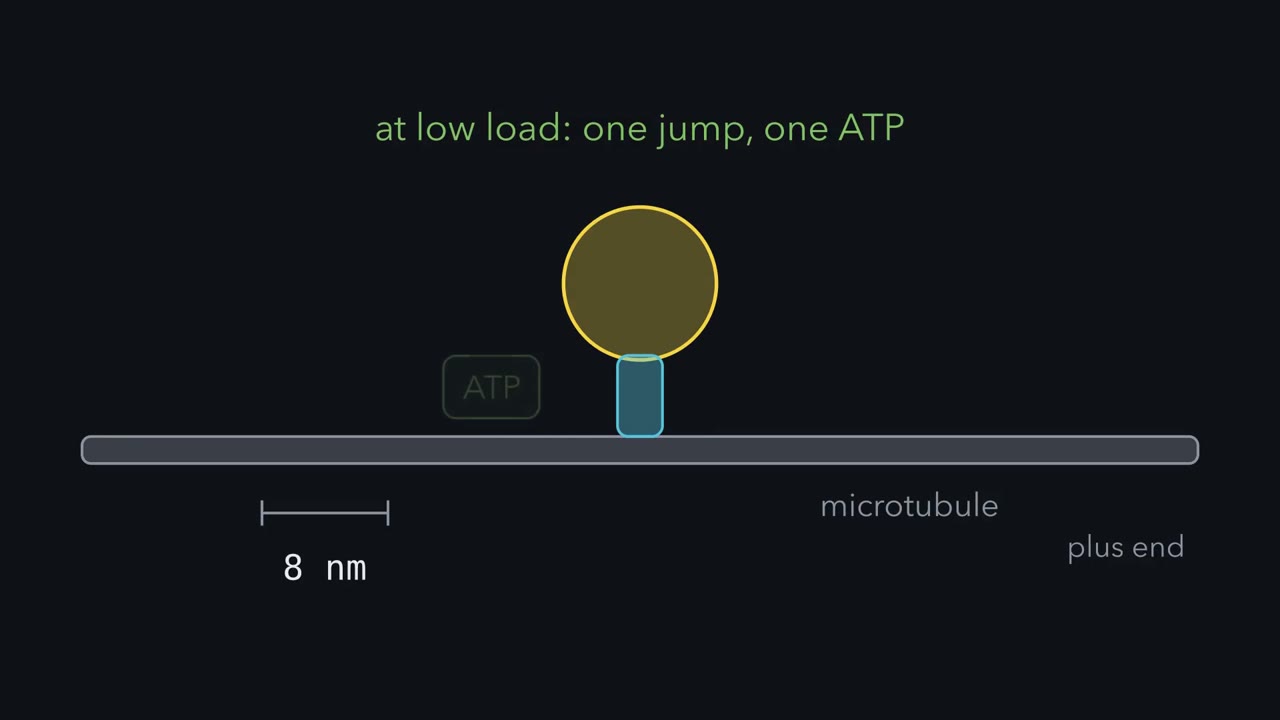 Optical trap (optical tweezers) Measuring the steps and forces of a single motor molecule by holding a bead in a focused laser beam.
-
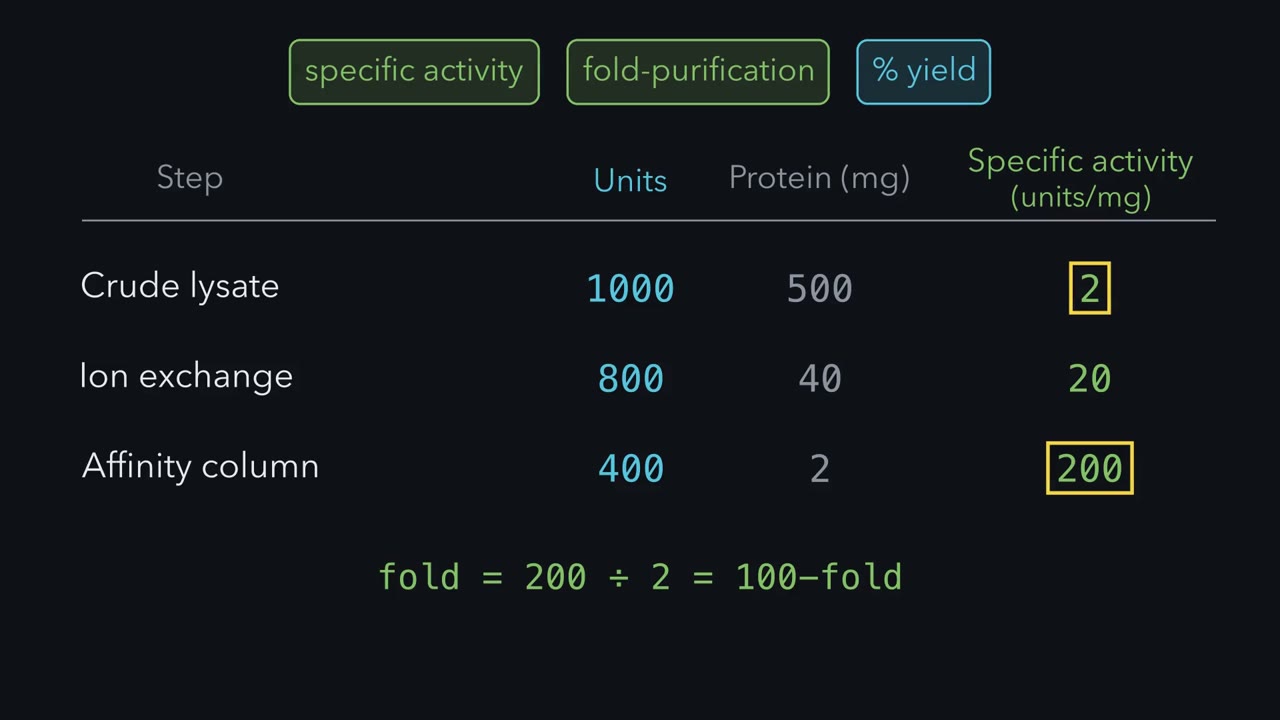 Protein purification and column chromatography How to pull one protein out of thousands by solubility, size, charge and affinity, tracking it by its activity.
-
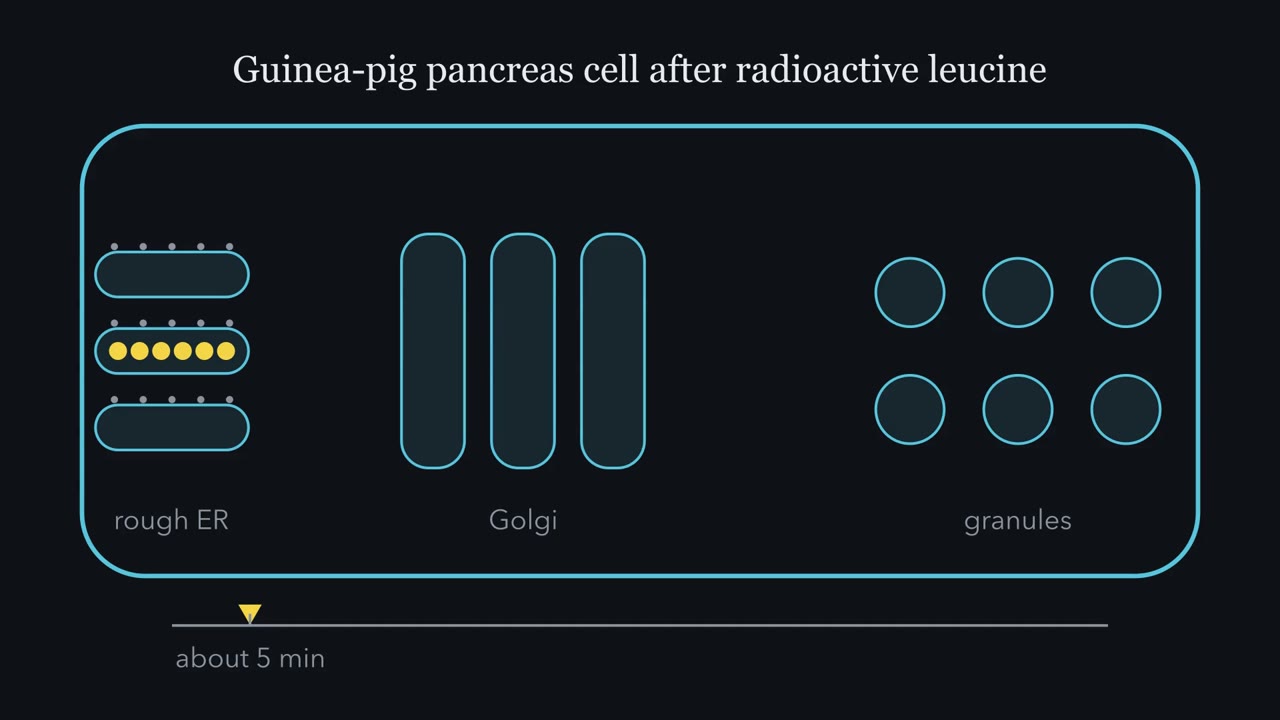 Pulse-chase labelling Labelling a cohort of molecules made in a short window and following where they go and how fast they turn over.
-
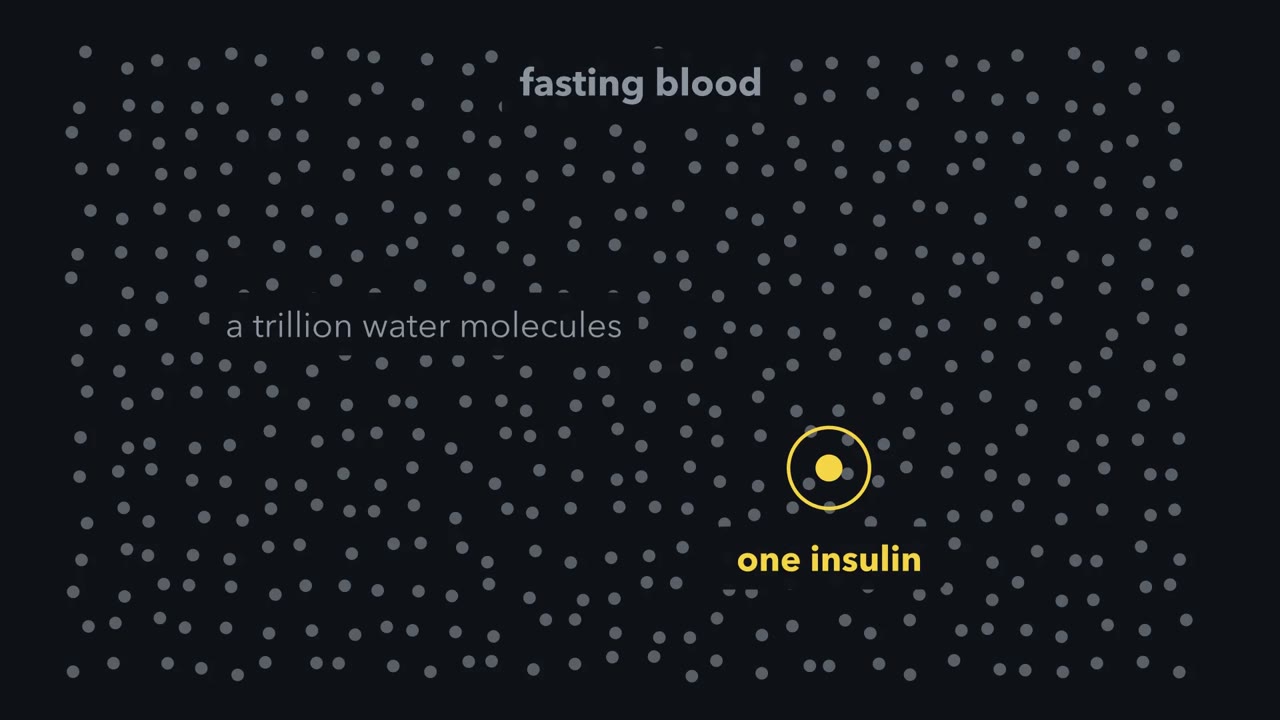 Radioimmunoassay Measuring picomolar hormone by competition between labelled and unlabelled hormone for a limited amount of antibody.
Genes and genomes
-
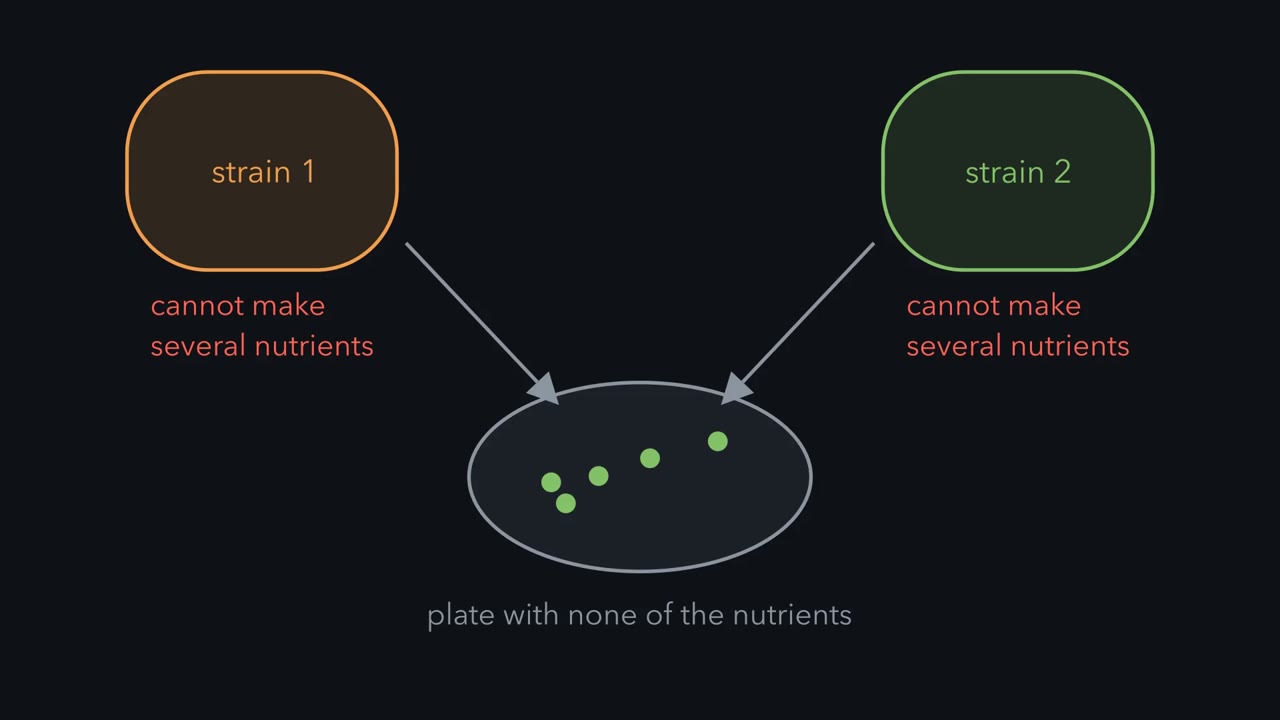 Bacterial and phage genetics Mapping genes in organisms without meiosis by timing DNA transfer, cotransduction and selecting rare recombinants.
-
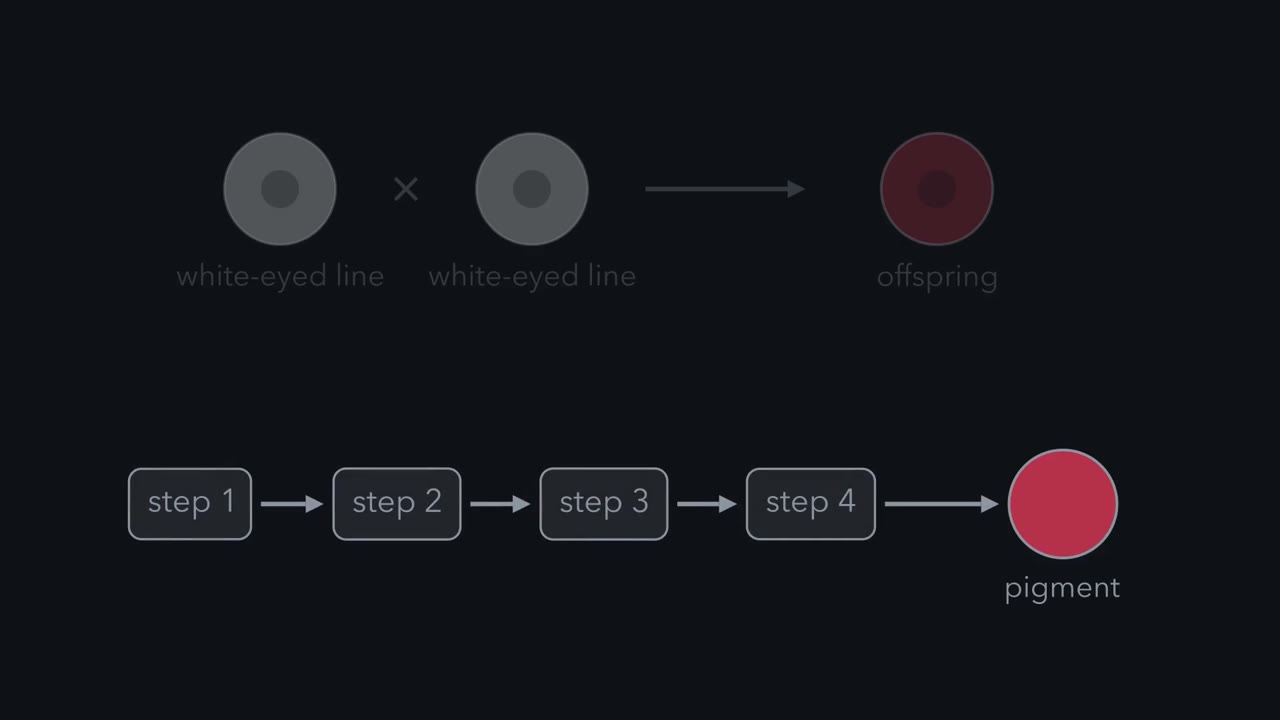 Complementation (cis-trans) test Telling whether two mutations with the same phenotype hit the same gene by combining them in one cell.
-
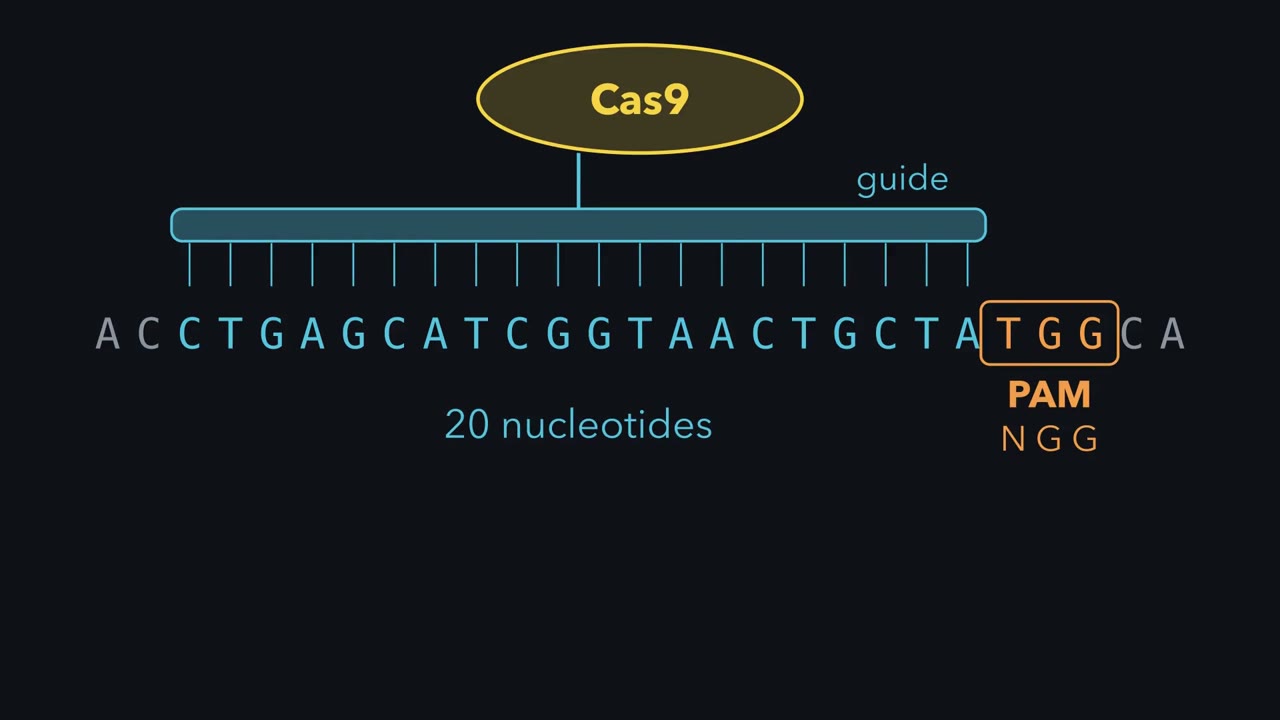 CRISPR-Cas9 genome editing Cutting a chosen DNA sequence with a guide RNA and Cas9, then reading what the cell's repair leaves behind.
-
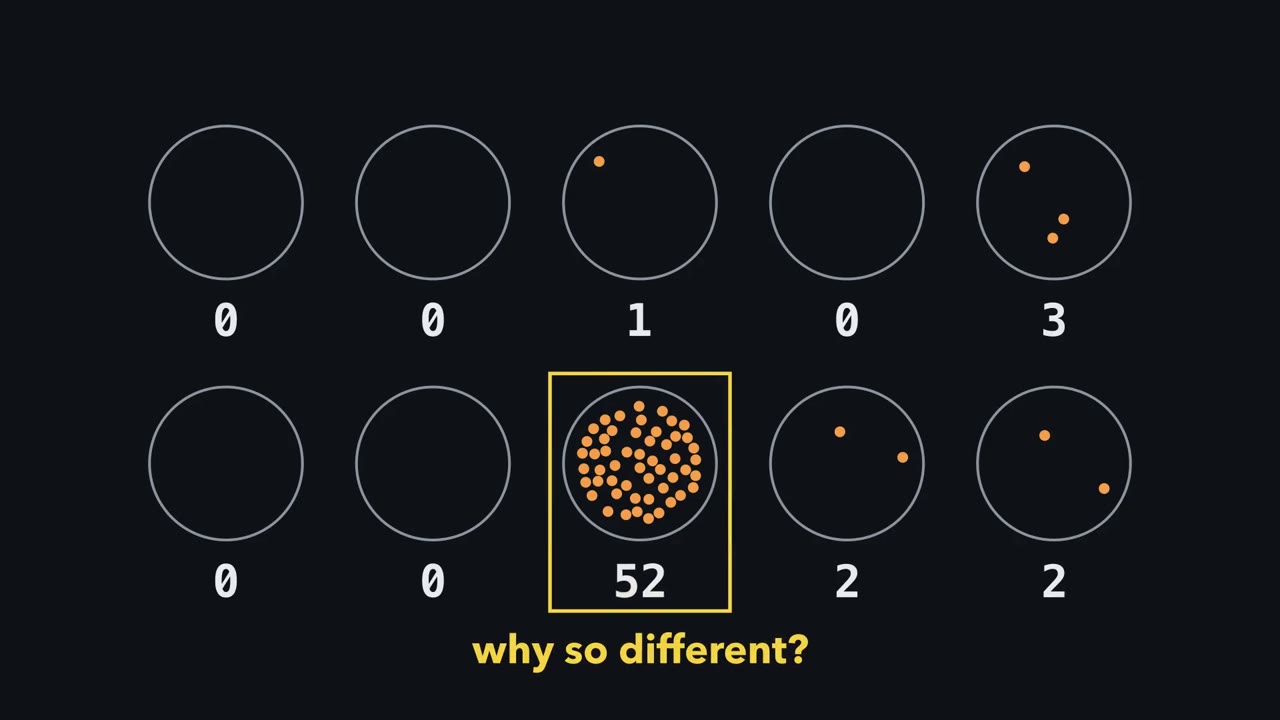 Fluctuation test and replica plating Showing that mutations arise before selection from the jackpot-shaped spread of mutant counts across cultures.
-
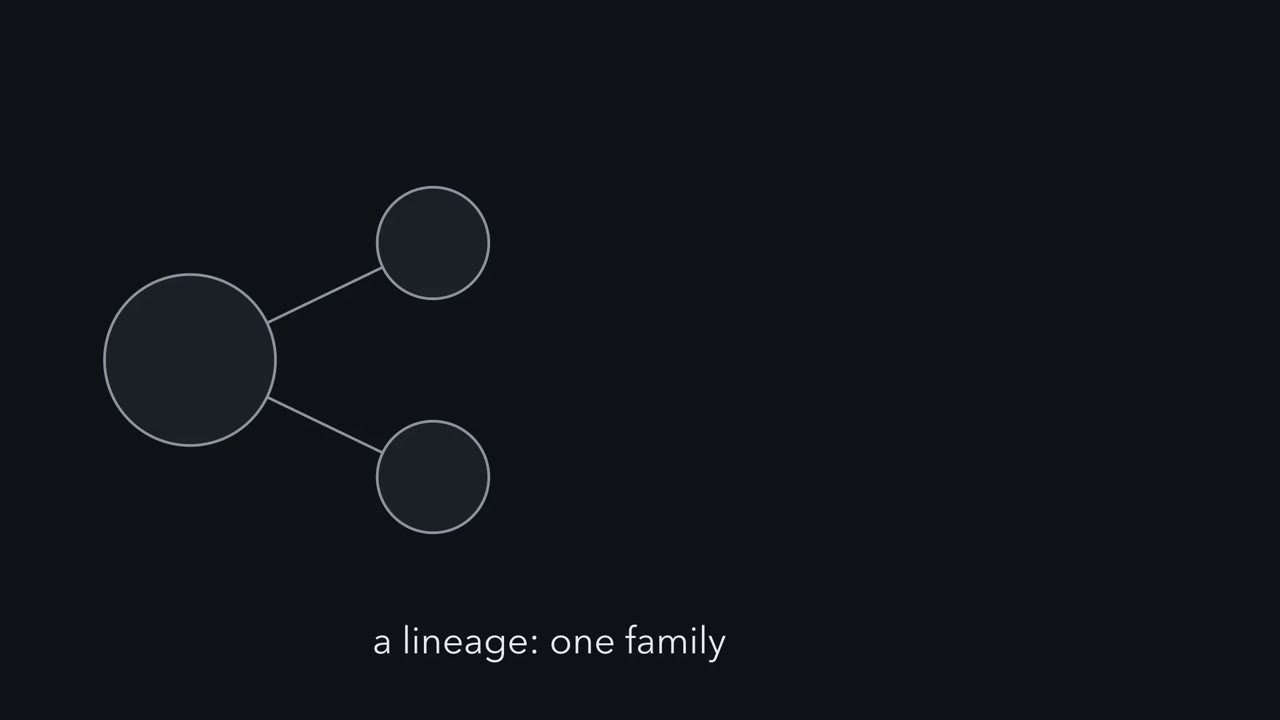 Lineage tracing Following all the descendants of a marked cell to learn what it gives rise to.
-
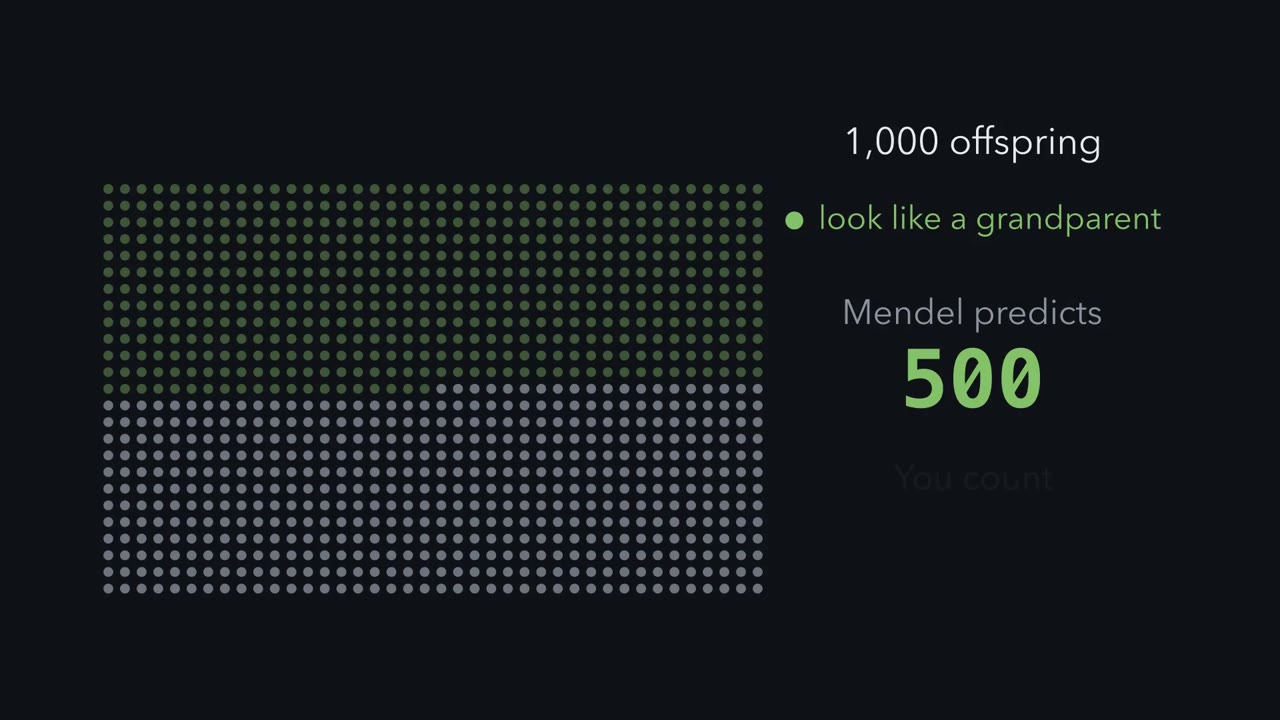 Linkage mapping with test crosses Mapping genes on a chromosome from how often crossing over separates them in test-cross offspring.
-
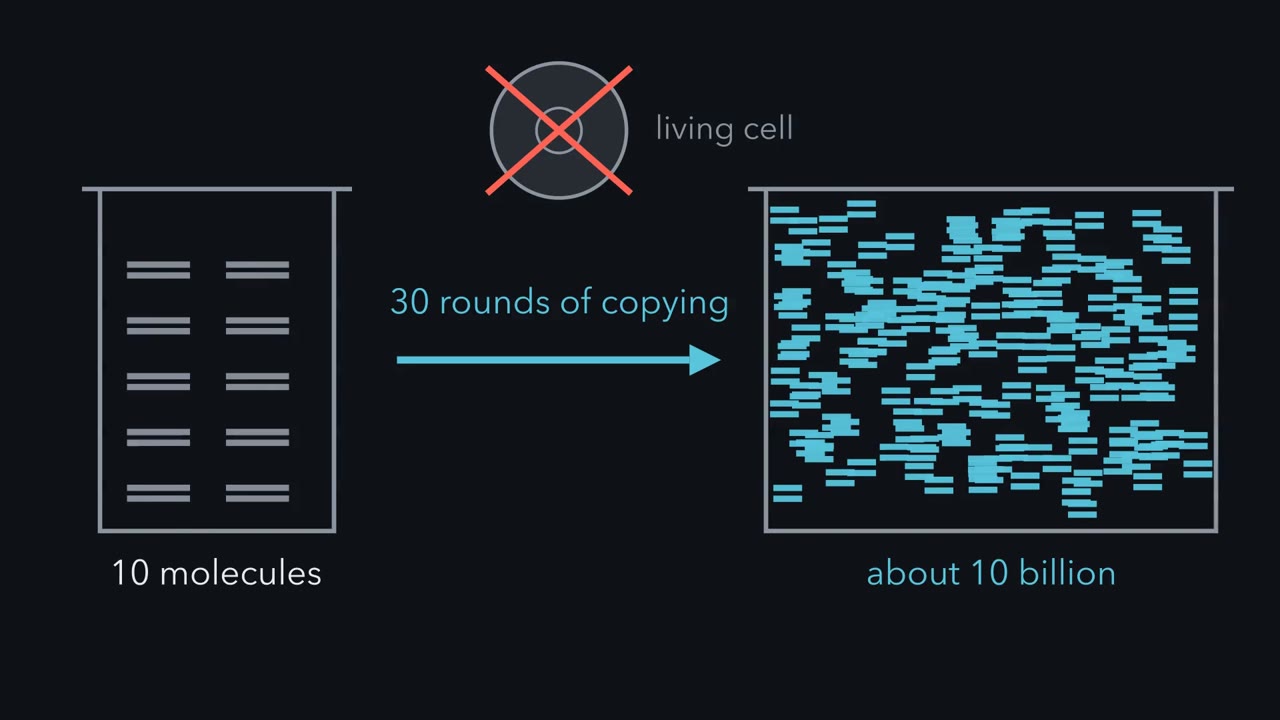 PCR and quantitative PCR Copying one stretch of DNA billions of times with primers and a heat-stable polymerase, and counting cycles to quantify it.
-
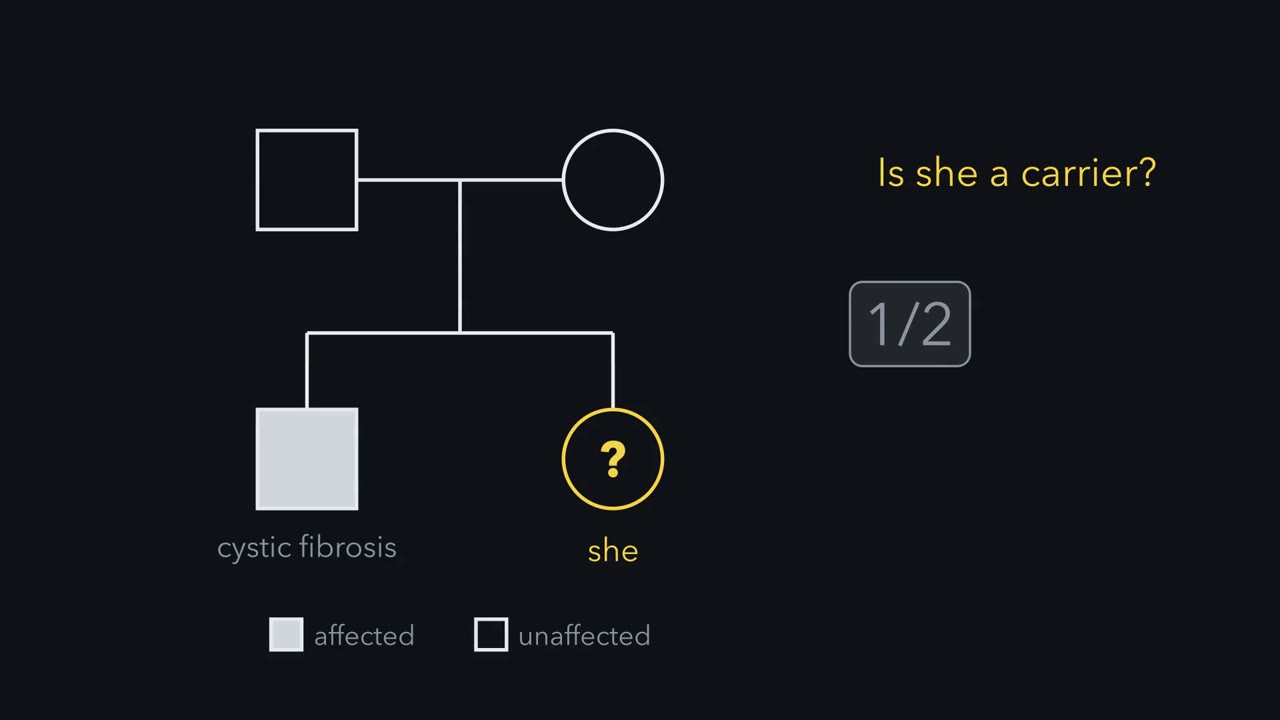 Pedigree analysis Reading inheritance and carrier risk from family trees when people cannot be crossed.
-
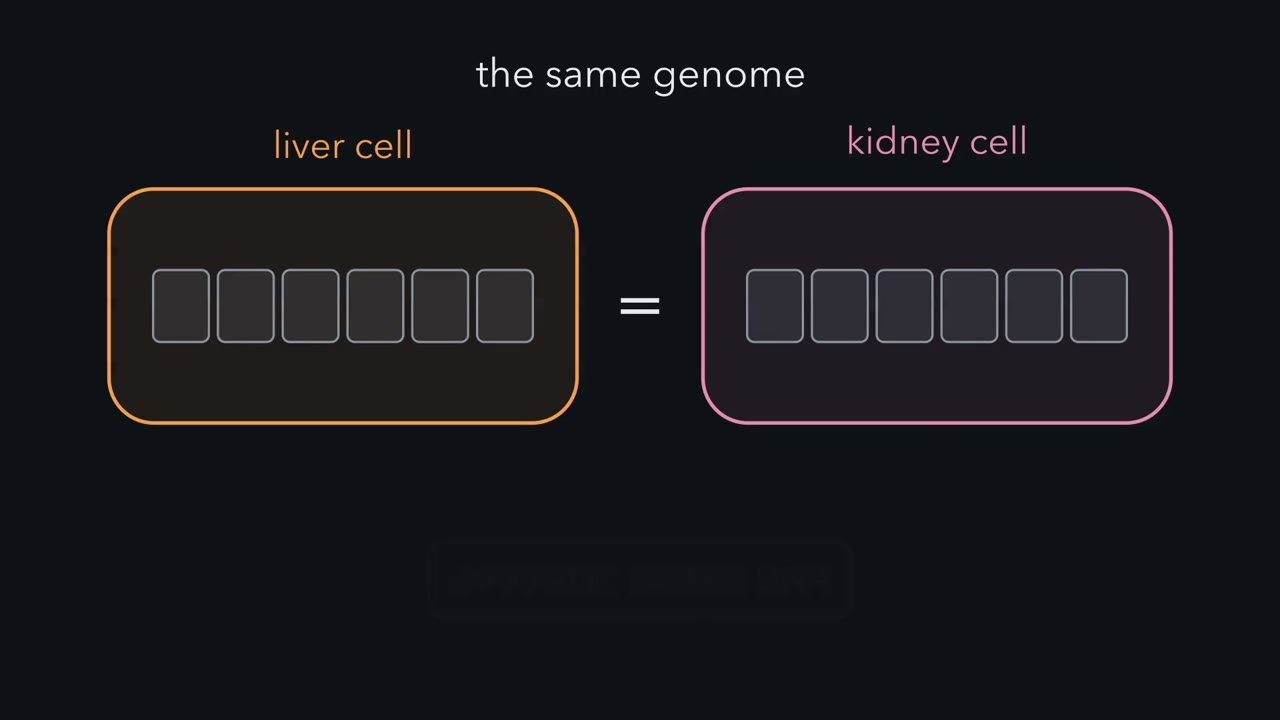 Reporter gene assays Measuring what a stretch of DNA does to transcription by placing it in front of an easily measured reporter gene.
Cells and imaging
-
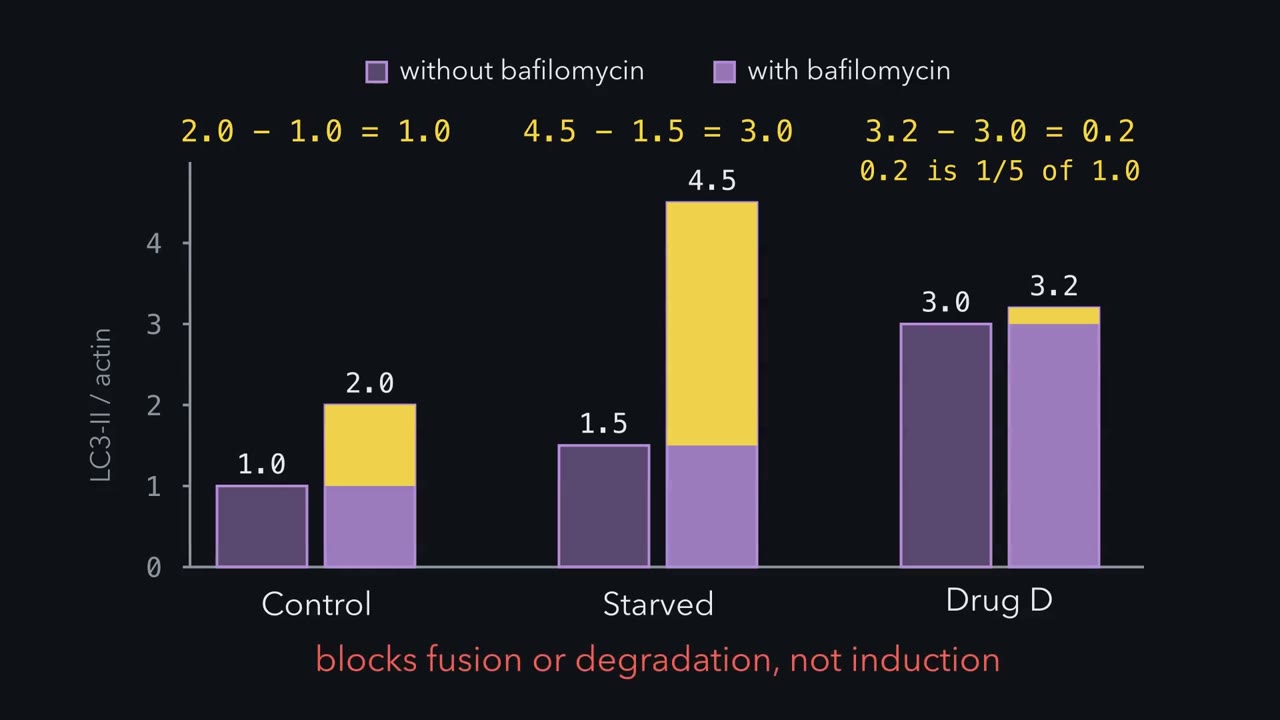 Autophagic flux assay Measuring autophagy as flux by blocking lysosomal degradation and counting the extra LC3-II that accumulates.
-
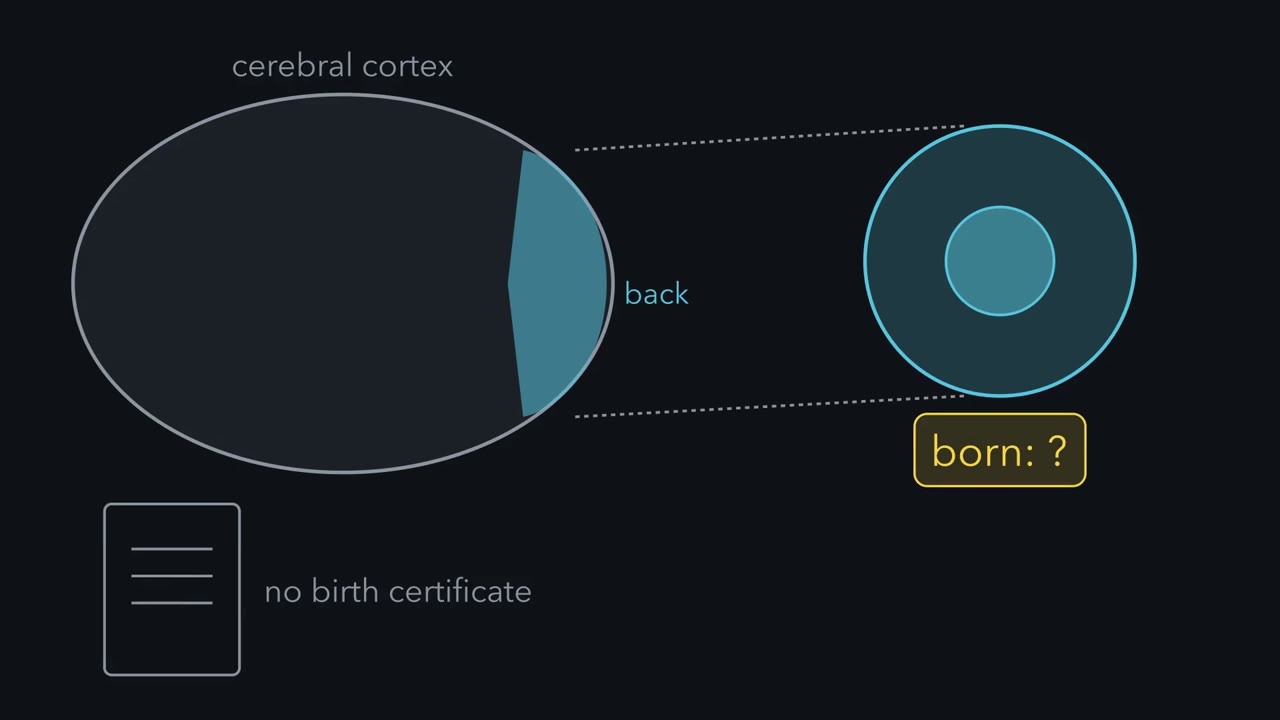 Bomb-pulse carbon-14 dating of cells Dating when human cells were born from the carbon-14 that nuclear tests put into the atmosphere.
-
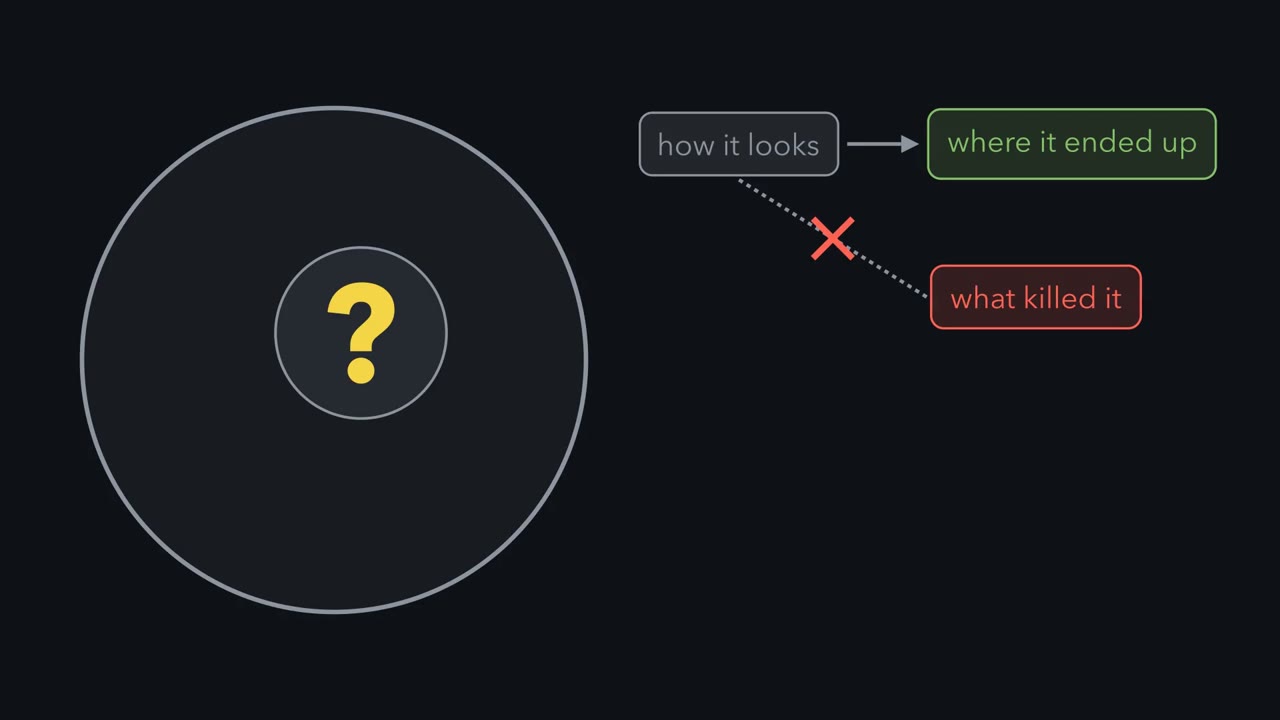 Cell death assays Telling apoptotic from necrotic and live cells with annexin V, propidium iodide, TUNEL and release assays.
-
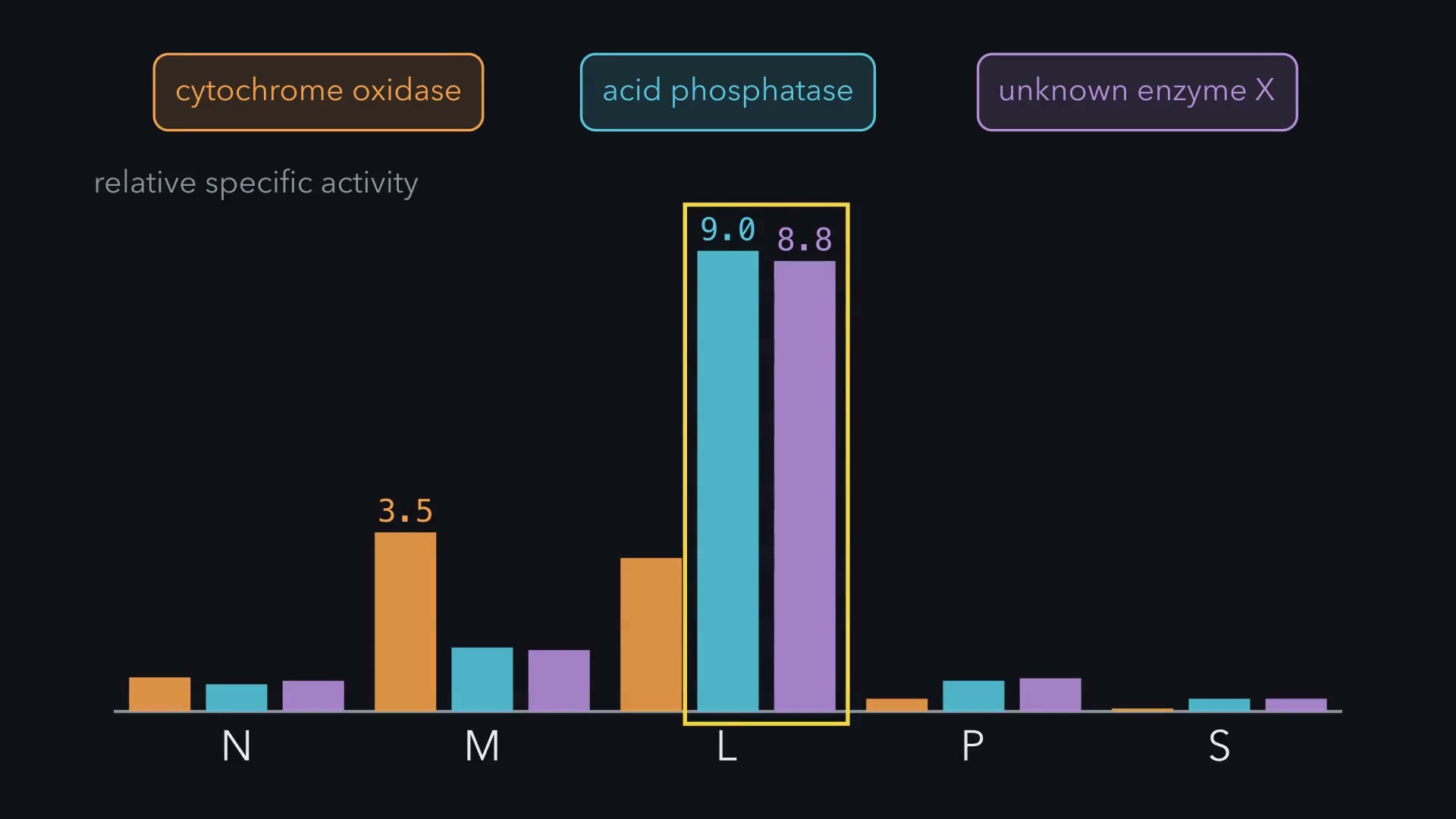 Centrifugation and subcellular fractionation Separating organelles and macromolecules by size and density in a centrifuge and tracking them with marker enzymes.
-
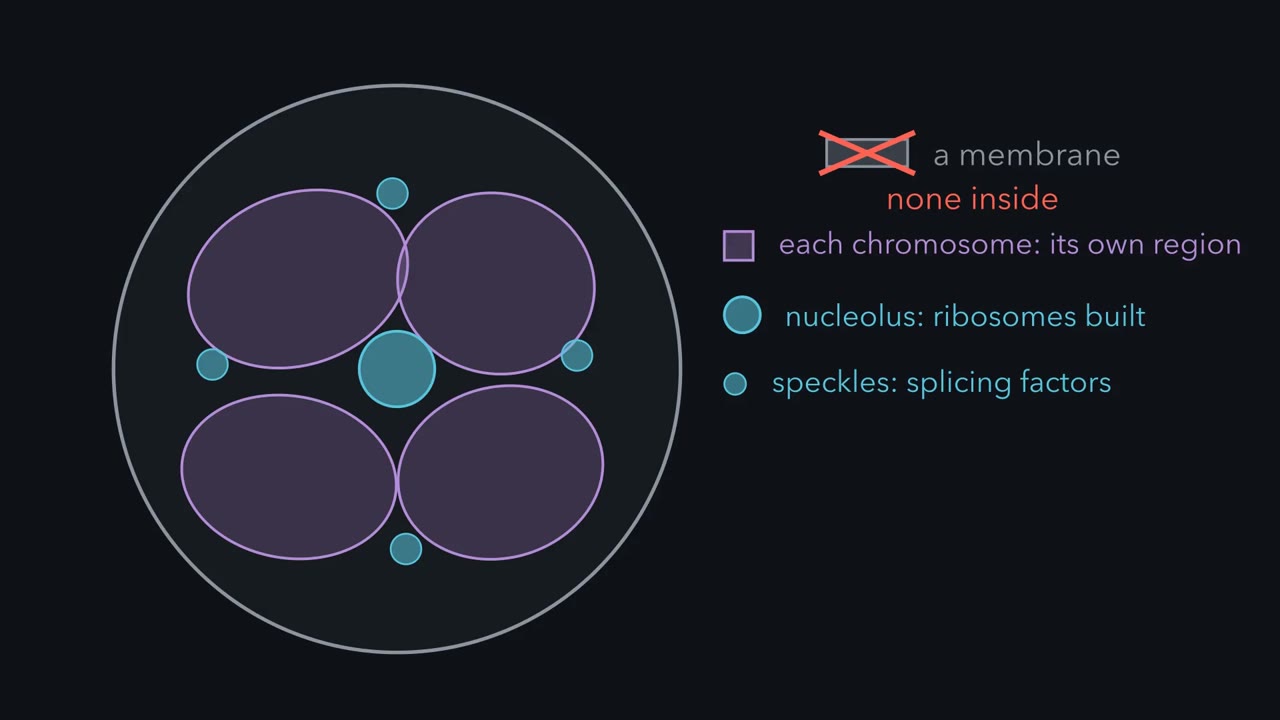 Testing for phase separation Testing whether a cellular body forms by phase separation by changing concentrations and probing its material properties.
Neurons and physiology
Organisms and the field
-
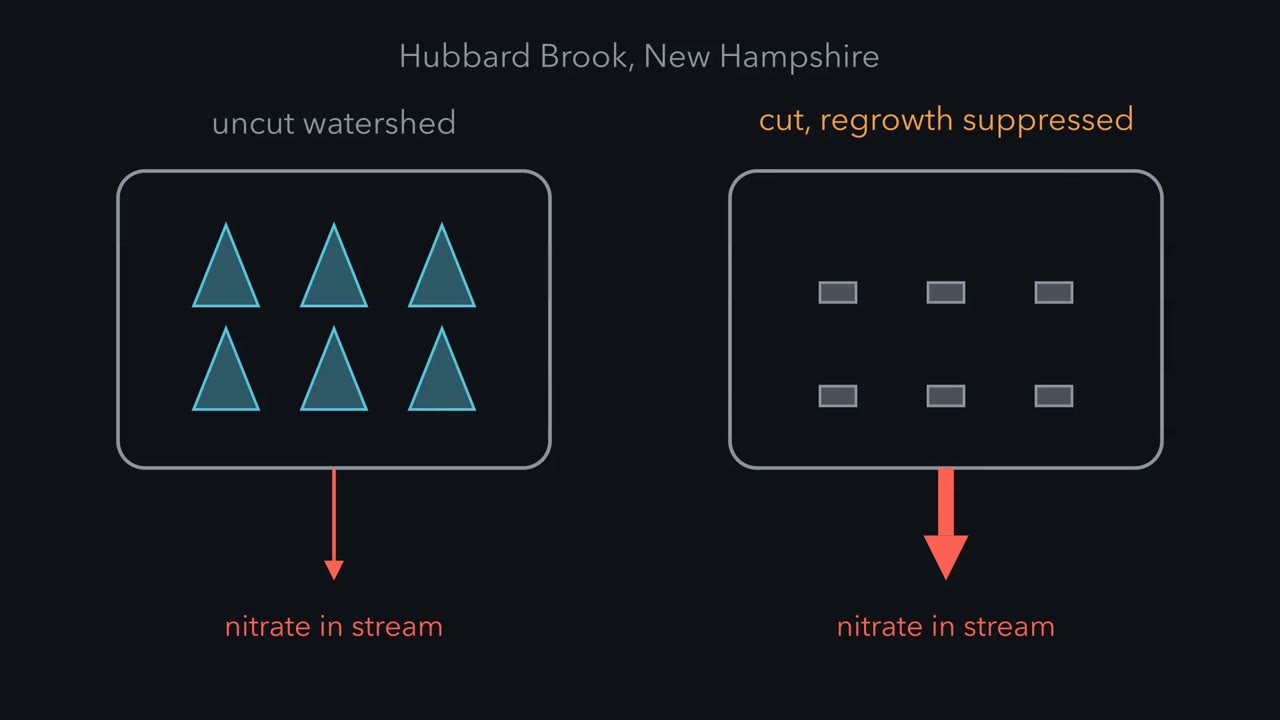 Ecosystem mass and energy budgets Keeping accounts of carbon, nutrients and energy through pools and fluxes, from watersheds to food webs.
-
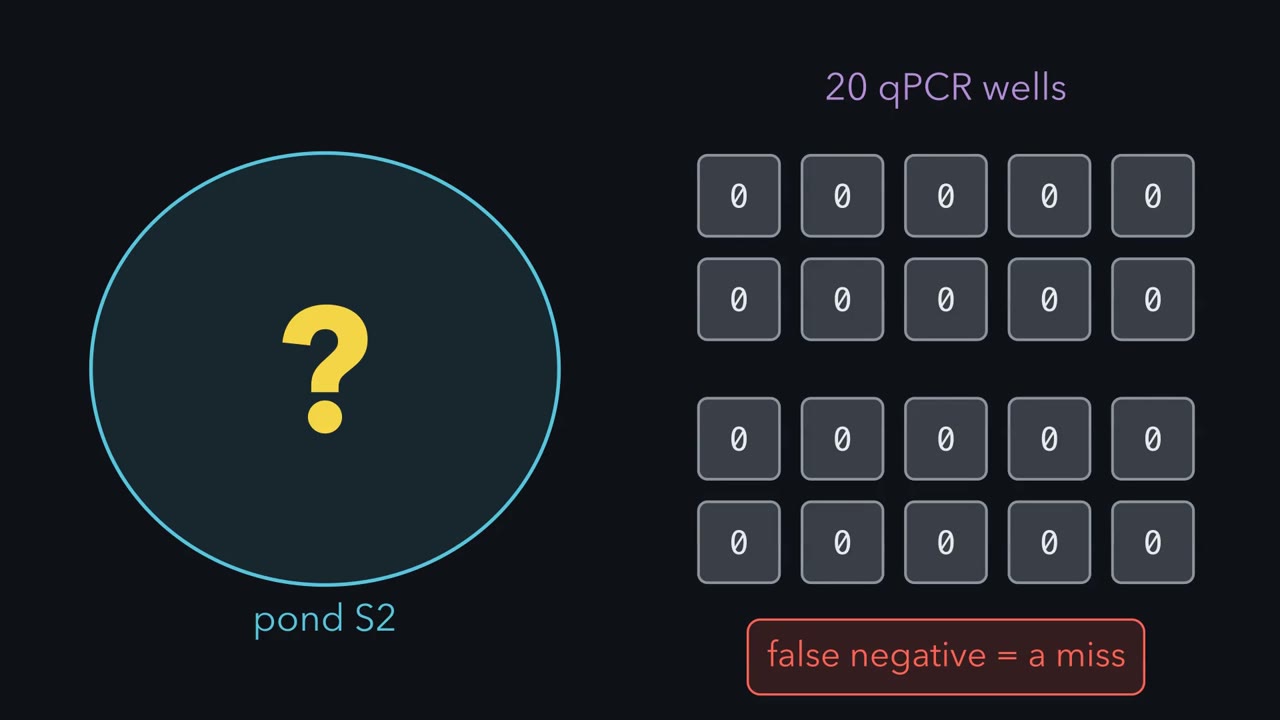 Occupancy modelling and eDNA surveys Deciding whether a species is present when detection is imperfect, with repeat visits, eDNA and occupancy models.
-
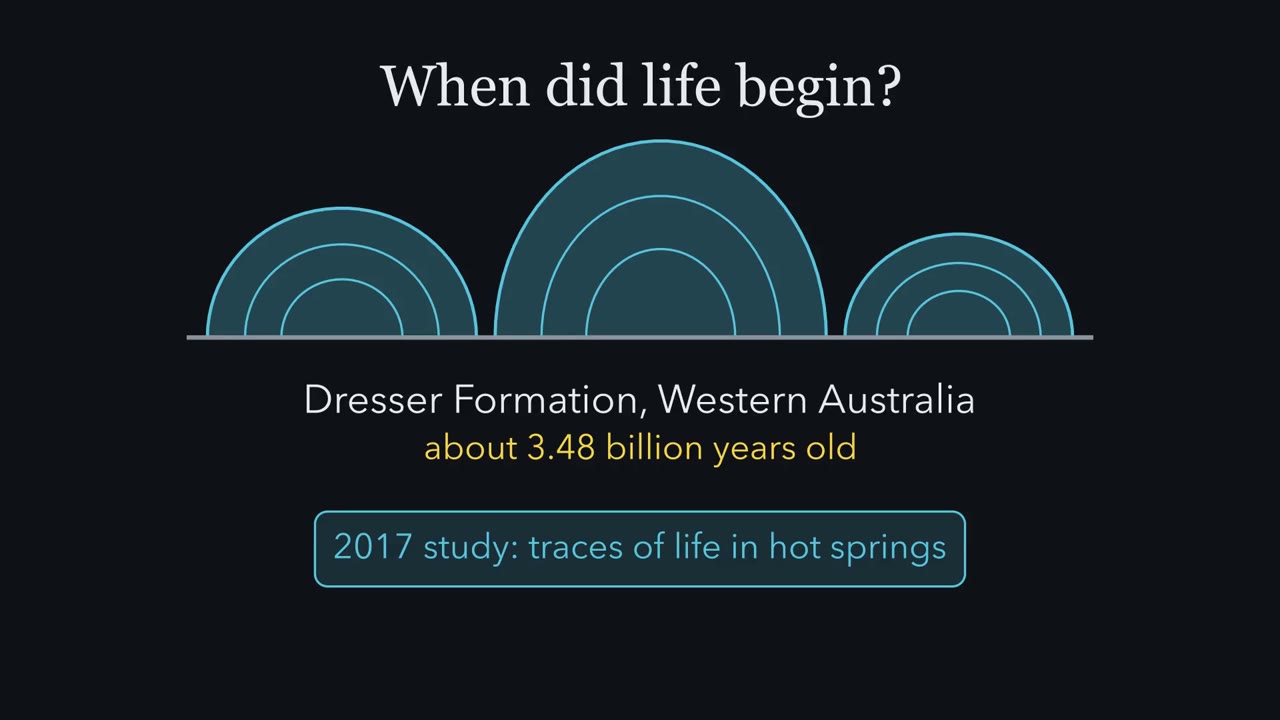 Radiometric dating Dating rocks and fossils from the decay of radioactive parents into daughters.
Data and inference
-
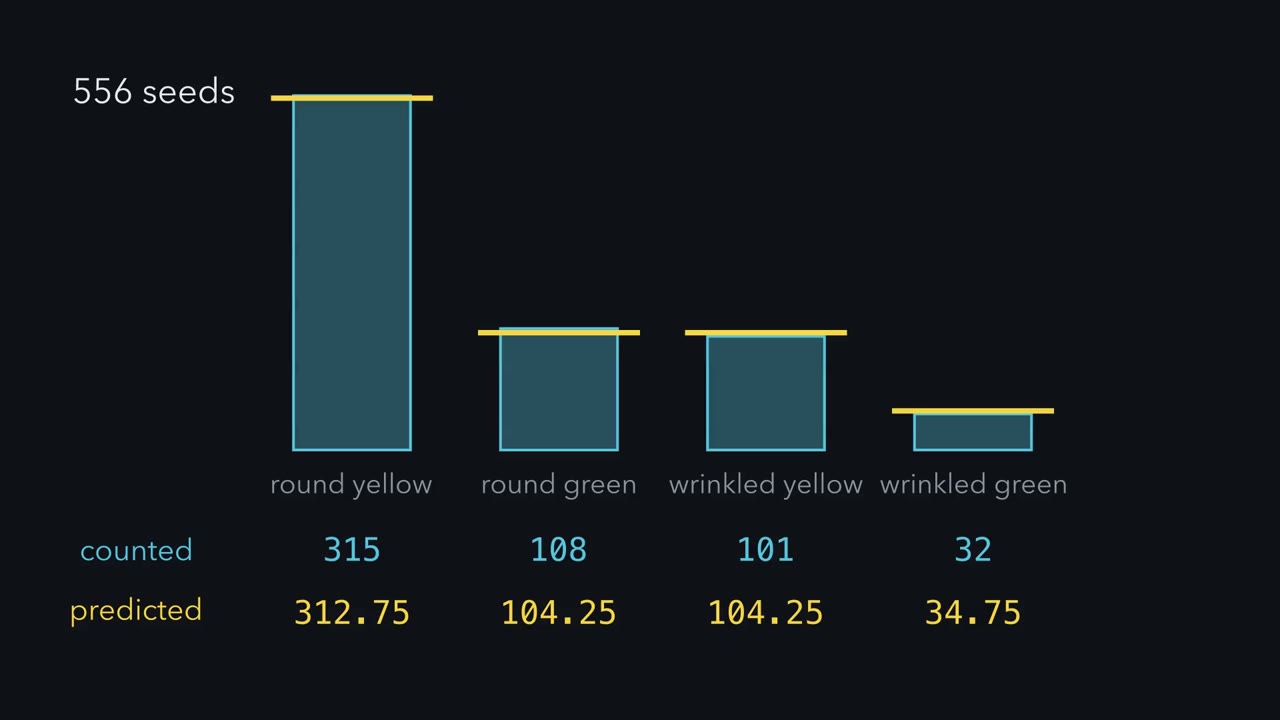 Chi-square test Deciding whether observed counts stray from an expected ratio by more than chance allows.
-
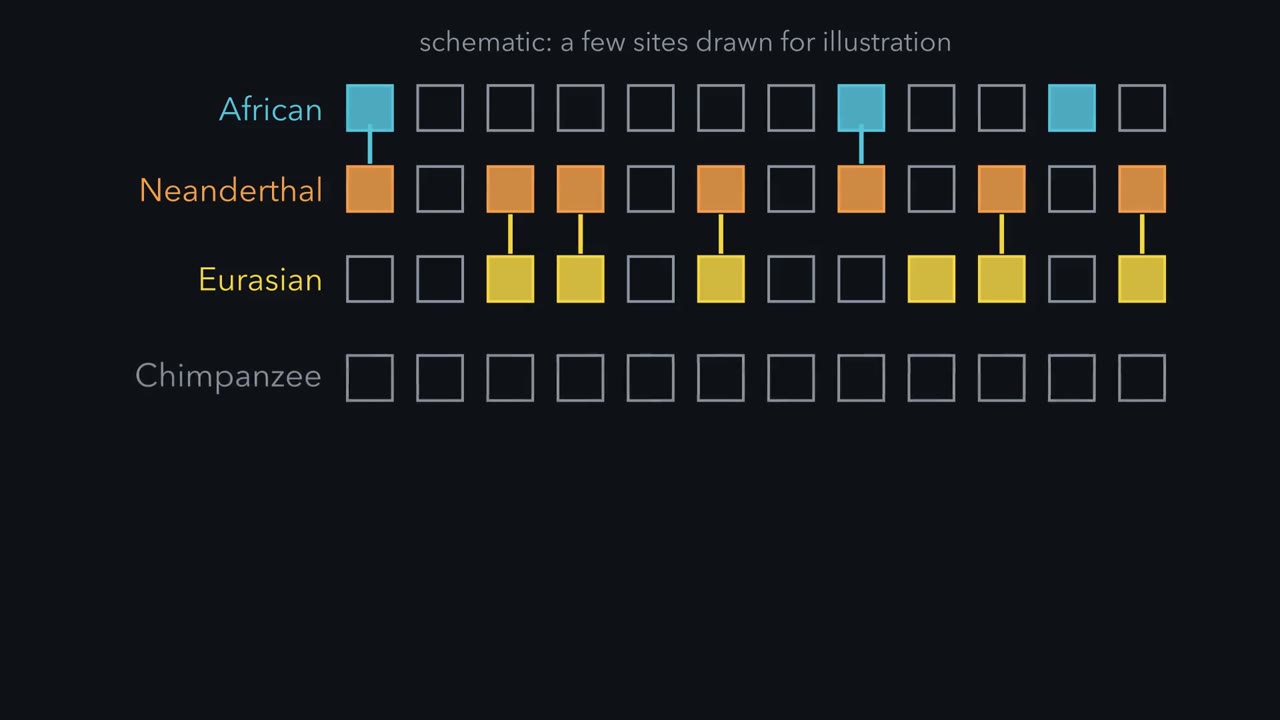 Detecting introgression (D statistic) Testing whether two populations exchanged genes from an excess of shared derived variants or long shared segments.
-
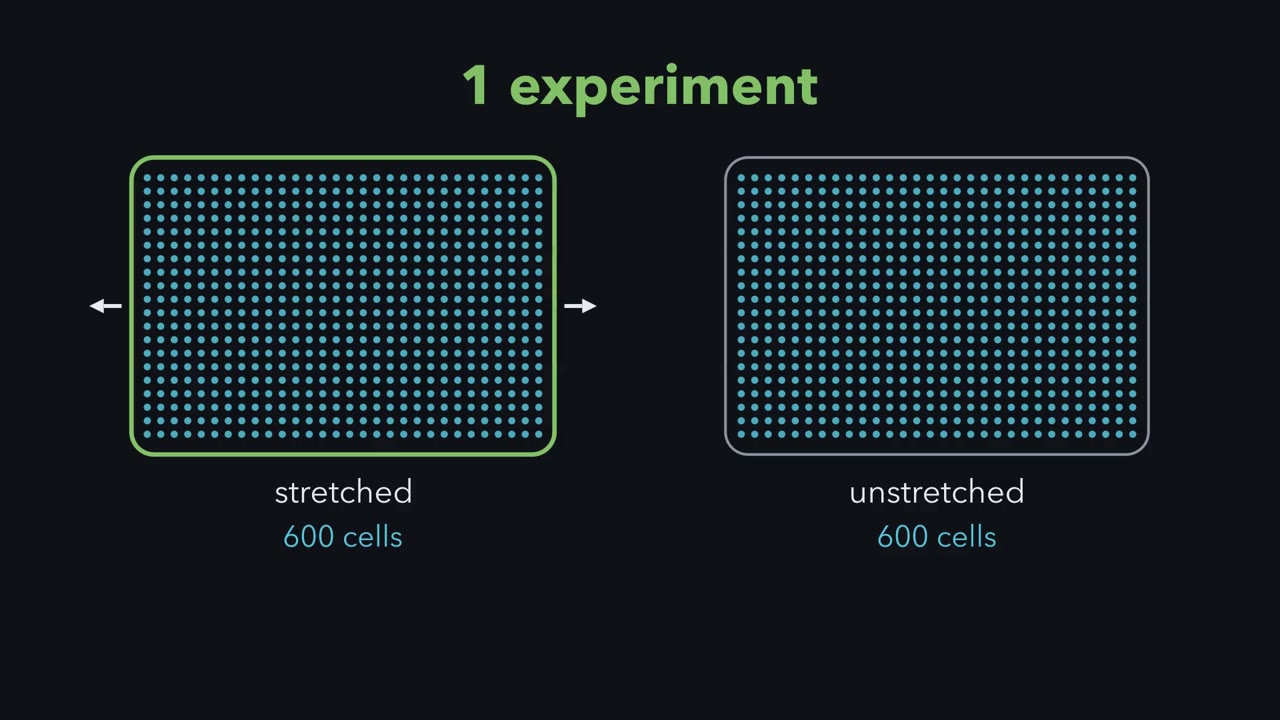 Experimental units, pseudoreplication and power Choosing the true unit of replication, the sample size and the test so that a result means what it seems to.
-
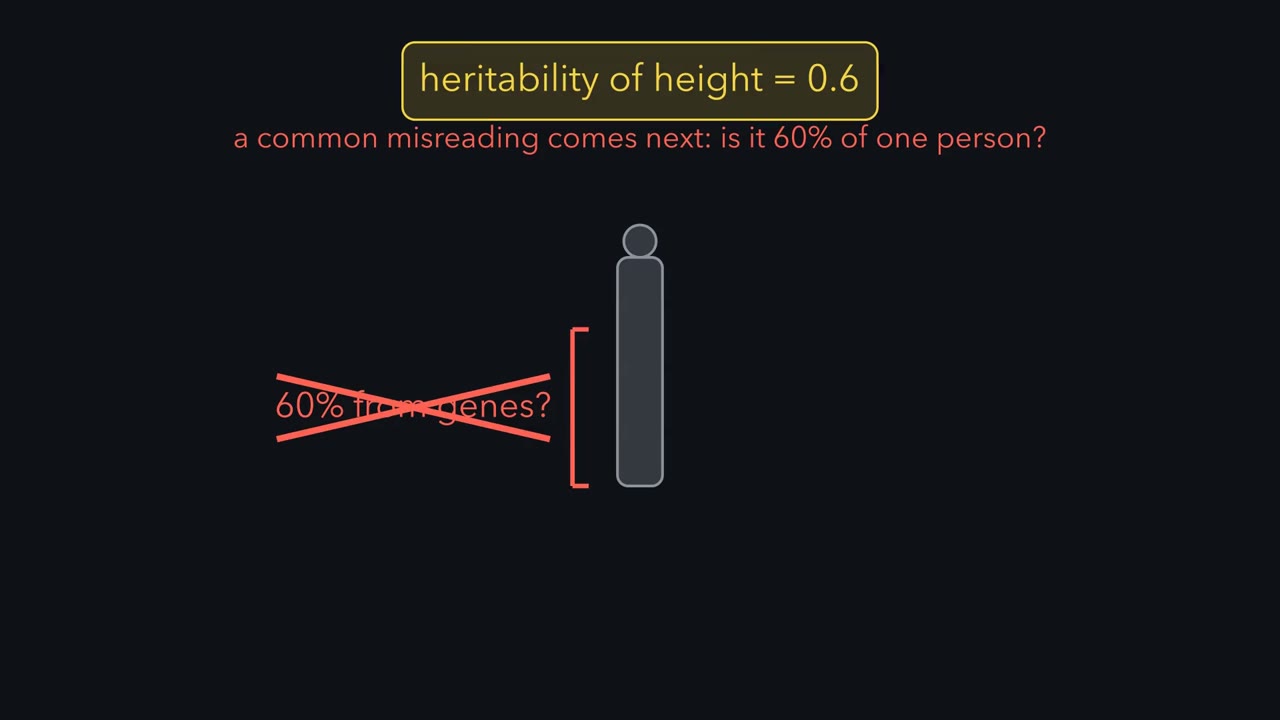 Heritability and quantitative genetics Partitioning trait variation into genetic and environmental parts from relatives, twins or SNPs, and predicting response to selection.
-
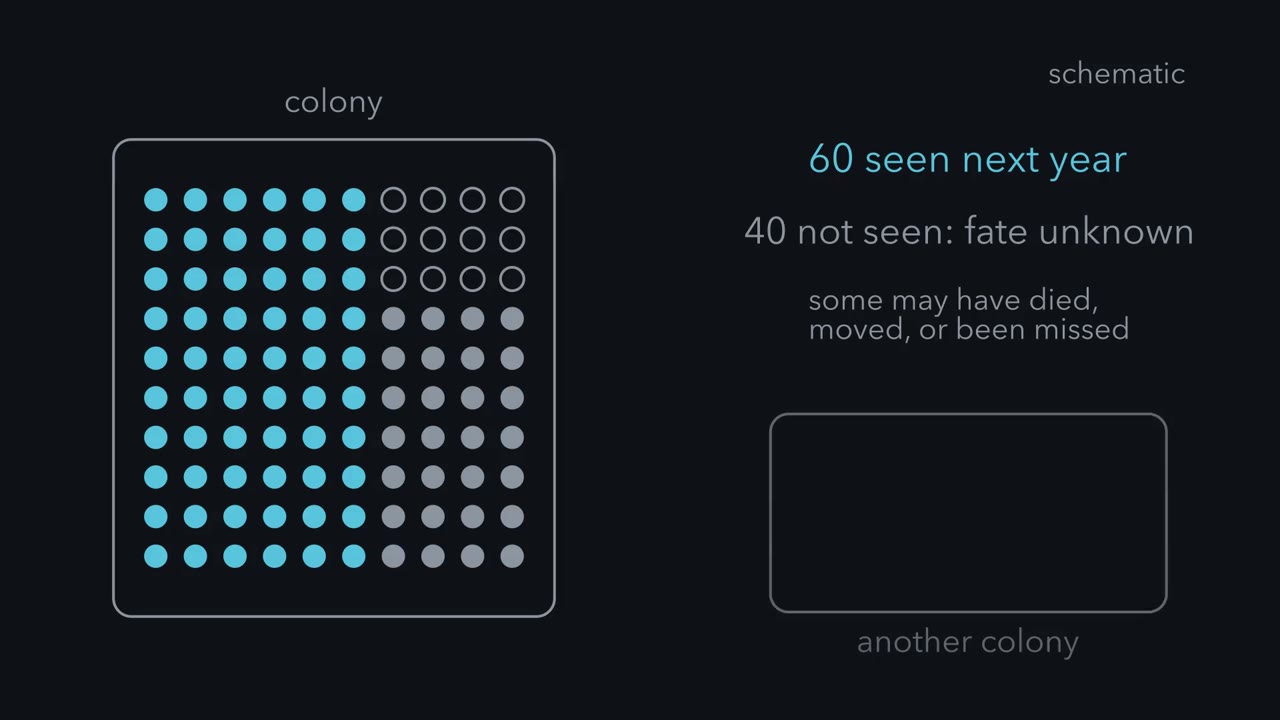 Life tables and survival analysis Following a cohort to tabulate survival and reproduction by age, including censored data (Kaplan-Meier).
-
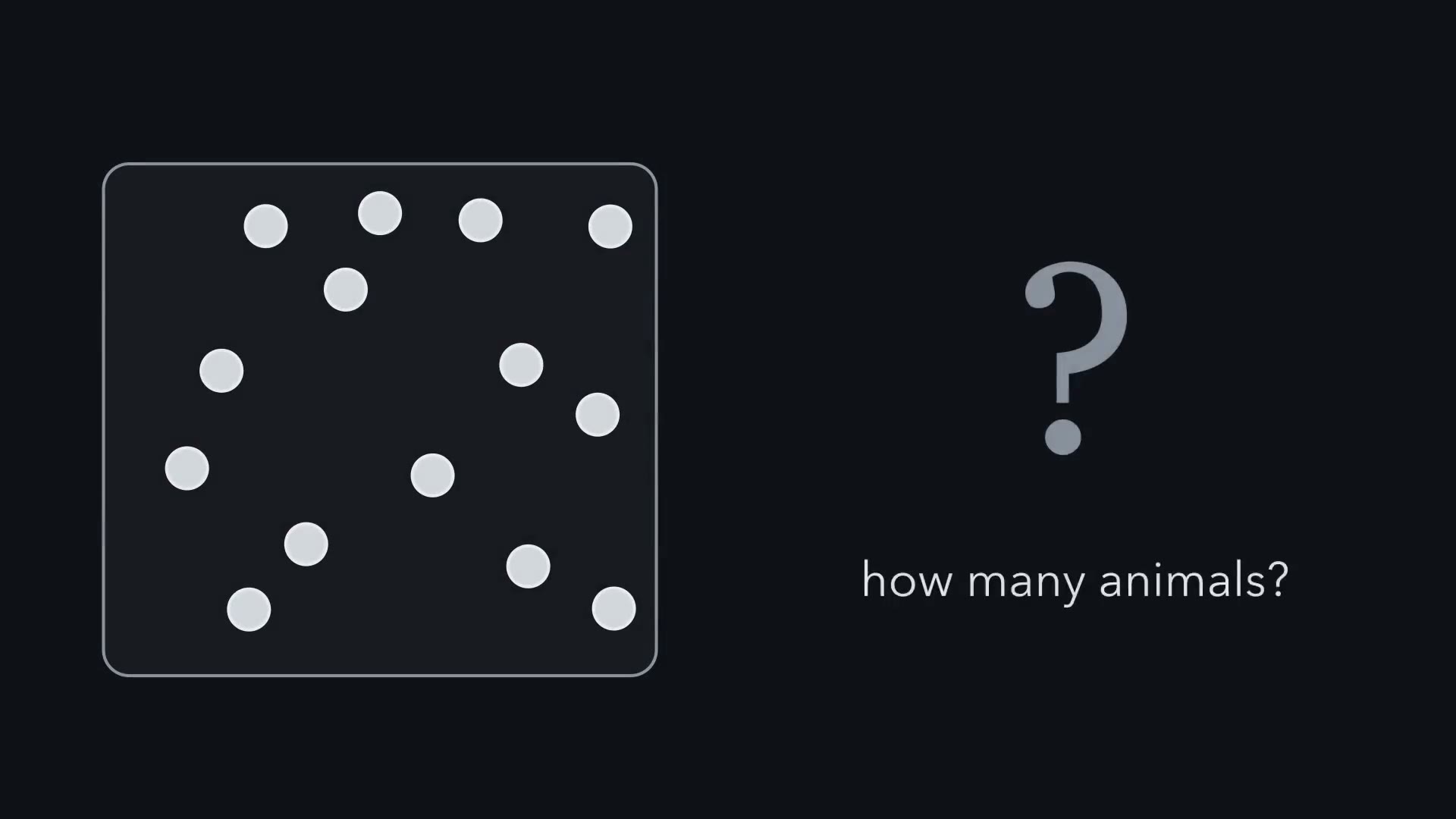 Matrix models and population viability analysis Projecting a population with stage-structured matrices and chance to estimate extinction risk.
-
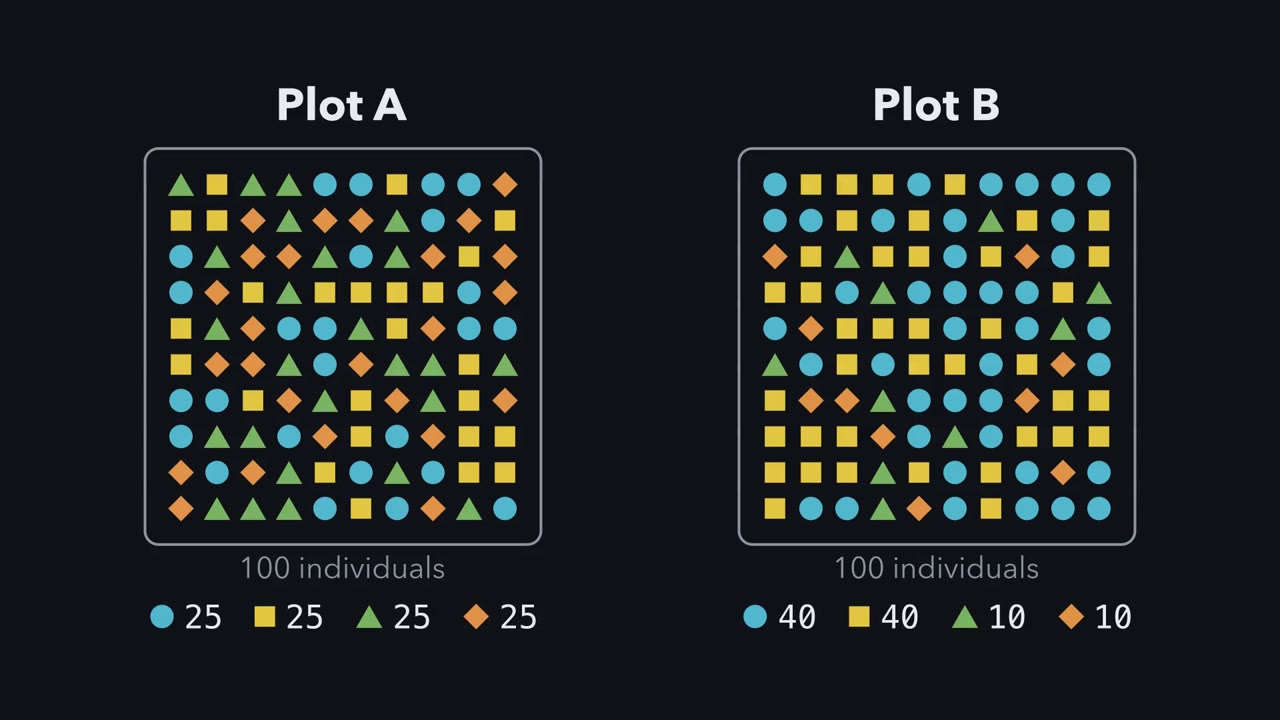 Measuring biodiversity Quantifying diversity with richness, Simpson and Shannon indices, rarefaction and similarity.
-
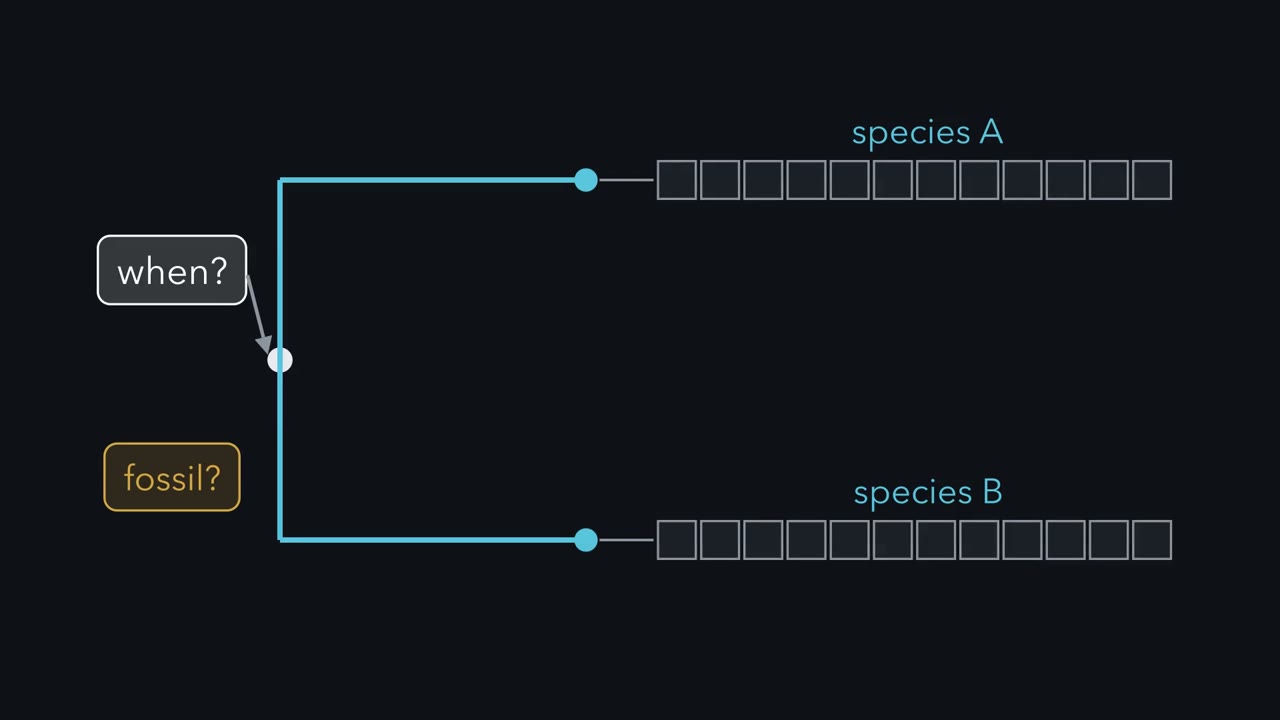 Molecular clock dating Dating lineage splits from accumulated sequence differences calibrated by fossils.
Films in production
These methods have a page with the lessons that use them; each gets its film soon.
- Activity-dependent genetic tagging
- Ames test
- Animal behavioural assays and conditioning
- Animal models of disease
- Axon guidance assays
- Axotomy and nerve injury models
- Binding assays: immunoprecipitation, pull-down and gel shift
- Birthdating with thymidine analogs
- Brain slice electrophysiology and field potentials
- Building and reading phylogenetic trees
- Calcium imaging, photometry and optical recording of activity
- Cell adhesion, migration and mechanics assays
- Cell-free extracts and reconstitution
- Cell, primary and explant culture
- Chemogenetics and genetic silencing
- ChIP-seq, Hi-C and chromatin profiling
- Clinical trials and epidemiology
- Clonal and colony assays
- Common garden and reciprocal transplant experiments
- Compartmented (Campenot) culture
- Confocal microscopy
- Controlled genetic crosses
- Counting cells: stereology and the isotropic fractionator
- Cre-lox and binary expression systems
- Cryo-electron microscopy
- Eddy covariance
- EEG, ERG and evoked potentials
- Electrical and magnetic brain stimulation
- Electron microscopy
- ELISA and immunoassays
- Engineered mutants: site-directed, dominant-negative and constitutively active
- Epistasis analysis
- Experimental evolution
- Expression cloning
- Extirpation, replacement and parabiosis
- Extracellular single-unit and nerve recording
- Family linkage and positional cloning
- Field manipulation experiments
- Flow cytometry and cell sorting
- Fluorescent protein tags and biosensors
- Forward genetic screens
- FRAP (fluorescence recovery after photobleaching)
- Function-blocking antibodies and decoy receptors
- Gene cloning: vectors, libraries and screening
- Gene targeting: knockout and knock-in mice
- Genetic mosaic analysis
- Genome-wide association studies (GWAS)
- Genotyping with DNA markers
- Golgi stain
- Hardy-Weinberg and genetic drift
- Heterologous expression
- Histology and tissue stains
- Immunohistochemistry and immunofluorescence
- In situ hybridization
- In vitro kinase assay
- In vitro motility and single-molecule fluorescence
- Intracellular recording and voltage clamp
- iPS cells and organoids
- Isolated organ and muscle preparations
- Karyotyping and chromosome FISH
- Kidney clearance, micropuncture and osmometry
- Laboratory microcosms
- Lesion studies and patient case studies
- Light microscopy, contrast and resolution
- Live-cell time-lapse imaging
- Mark-recapture and abundance surveys
- Mass spectrometry and protein sequencing
- Mathematical and computational models
- Measuring blood pressure, flow and the ECG
- Measuring hearing: ABR, otoacoustic emissions and cochlear mechanics
- Measuring plant water potential and phloem flow
- Membrane protein extraction and topology assays
- Membrane transport assays: tracer flux and reconstitution
- Meta-analysis and systematic review
- Microbial enrichment and isolation
- Microinjection, nuclear transfer and cell fusion
- Misexpression, electroporation and gain-of-function tests
- MRI and functional MRI
- Multielectrode arrays and high-density recording
- Natural experiments and long-term field studies
- Nerve conduction velocity and EMG
- Neuronal tract tracing
- Next-generation sequencing and genome assembly
- Optogenetics
- PET imaging
- Pharmacological blockade and inhibitors
- Population genomic inference: demography and selection
- Psychophysics and signal detection
- Radioactive and stable isotope tracers
- Receptor binding and dose-response analysis
- Rescue experiments
- Respirometry, calorimetry and metabolic physiology
- RNA-seq and transcript measurement
- RNAi and antisense knockdown
- Sanger sequencing
- Sensory deprivation and controlled rearing
- Sequence alignment and homology search
- Serial-section electron microscopy and connectomics
- Single-cell and spatial transcriptomics
- Southern and northern blots
- Species distribution and climate modelling
- Spectrophotometry and enzyme kinetics
- Super-resolution microscopy
- Targeted cell ablation
- Temperature-sensitive mutants
- Tissue grafting and transplantation
- Transgenic animals
- Two-photon microscopy
- Viral vector gene delivery
- X-ray crystallography
- X-ray microtomography and synchrotron imaging